Tokyo.
1970s.
The city was buzzing — not with glamour, but with tension.
Behind its order, something was breaking.
That’s where Rei Kawakubo entered — quiet, sharp, and ready to rewire fashion from the inside out.
She didn’t arrive through design schools or glossy runways.
She came from ideas — pure, raw, radical.
And her weapon of choice?
A label named Comme Des Garcons — “like boys,” but really meaning “like no one.”
⚡ THE BEGINNING: REI KAWAKUBO’S TOKYO EXPERIMENT
Rei wasn’t trying to make clothes.
She was trying to make thought visible.
In 1973, she officially launched Comme Des Garcons in Tokyo.
No big campaign. No fancy atelier.
Just a vision that rejected everything fashion stood for.
Her designs were:
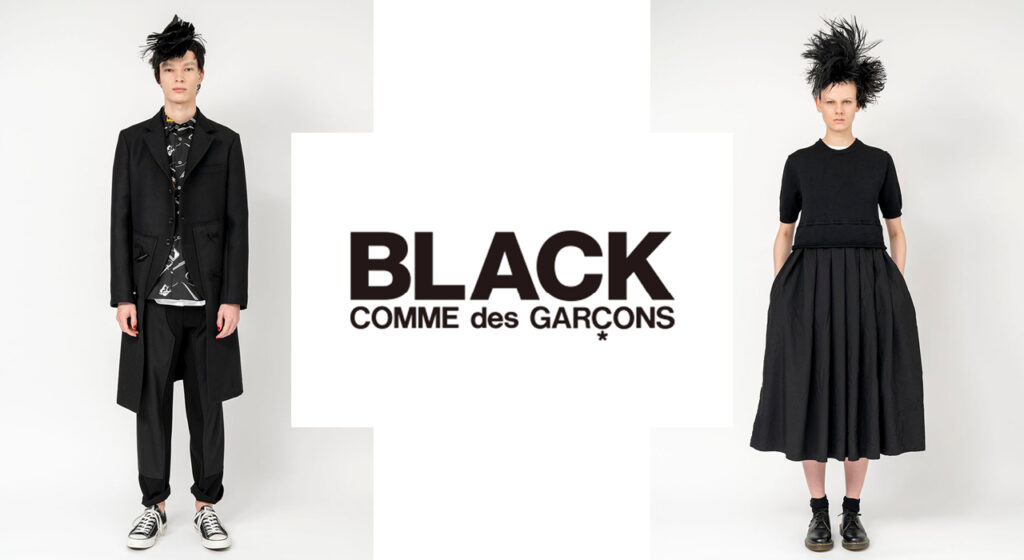
▸ black when color ruled.
▸ oversized when silhouettes were strict.
▸ ripped and raw when fashion demanded polish.
People called it “ugly.”
Rei called it real.
“I create from emotion, not logic,” she once said.
That emotion — a mix of rebellion, curiosity, and melancholy — became the DNA of Japanese avant-garde style.
🖤 THE TOKYO UNDERGROUND: WHERE STYLE TURNED SUBCULTURE
Tokyo’s underground wasn’t a place — it was a state of mind.
In the narrow alleys of Shinjuku and Harajuku, kids dressed like poetry.
They layered shapes, rejected gender, and found freedom in imperfection.
Rei didn’t follow that scene — she built it.
Her fans, called The Crows, wore all black, moved in silence, and turned the streets into a runway of rebellion.
They didn’t want trends.
They wanted truth.
Fashion wasn’t about fitting in anymore.
It was about standing apart.
✦ THE 1981 PARIS INVASION
Paris — the kingdom of couture, the capital of control.
And then came Comme Des Garcons.
1981, Paris Fashion Week.
Rei sends out models dressed in black — torn, layered, haunting.
No heels. No smiles. No gloss.
The press called it “Hiroshima Chic.”
They thought it was a joke, a provocation.
But it was a revolution.
Because for the first time, fashion wasn’t about beauty — it was about feeling.
Comme Des Garcons didn’t whisper elegance.
It screamed existence.
⚔️ DECONSTRUCTION BEFORE DECONSTRUCTION EXISTED
Before Margiela, before Vetements — Rei Kawakubo was already tearing fashion apart.
She flipped seams outward.
She built holes into garments.
She treated fabric like architecture, not decoration.
Each piece challenged the body itself:
“What is form?”
“What is gender?”
“Why do we have to look ‘right’?”
This wasn’t minimalism.
This was rebellion disguised as design.
⚡ THE HOUSE THAT BRED REBELS
Comme Des Garcons became a creative universe.
Rei didn’t build a brand — she built a lab.
From that lab came new stars:
✦ Junya Watanabe — the engineer of fashion, merging tech and tailoring.
✦ Kei Ninomiya — the master of metal and structure.
✦ Tao Kurihara — delicate chaos wrapped in lace.
They were her protégés — each carrying her DNA of disruption.
💥 THE BIRTH OF PLAY — STREETWEAR MEETS INTELLECT
2002 changed everything.
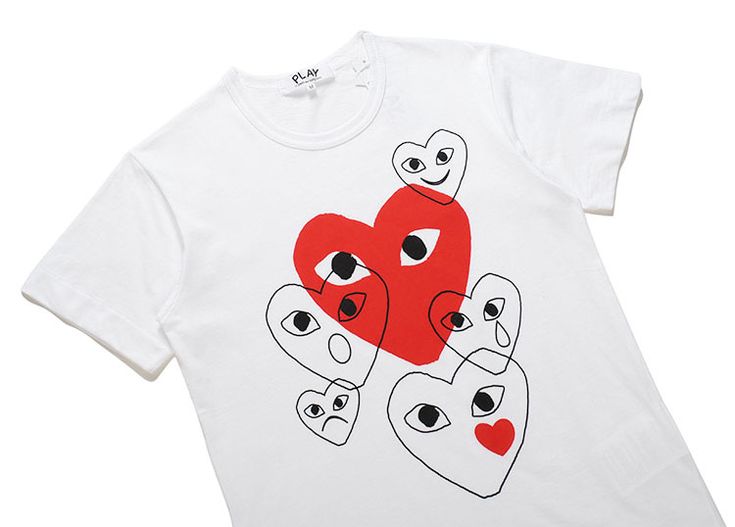
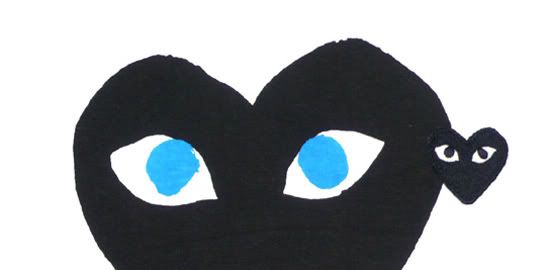
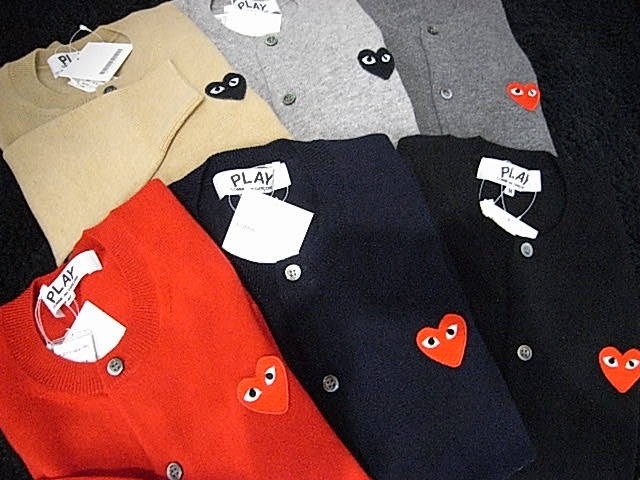
Rei dropped something unexpected: Comme Des Garcons PLAY —
a red heart with eyes 👁, minimal tees, Converse collabs.
It wasn’t about luxury.
It was about accessibility — a doorway for a new generation.
Collaborations followed:
▸ CDG x Nike
▸ CDG x Supreme
▸ CDG x Converse
▸ CDG x Stüssy
Comme Des Garcons suddenly existed everywhere — from Paris runways to Shibuya backstreets.
It wasn’t just a fashion label anymore.
It was a cultural language.
🏙️ DOVER STREET MARKET — FASHION AS EXPERIENCE
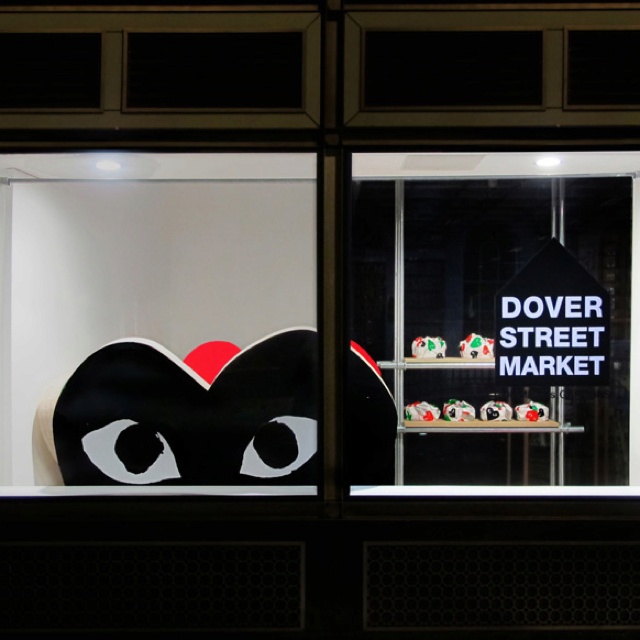
If PLAY was Rei’s invitation, Dover Street Market was her world.
Founded in 2004, DSM redefined retail.
Forget traditional stores — this was art meets anarchy.
Every corner changed constantly.
Installations mixed with fashion drops.
Chaos looked beautiful again.
Rei called it “beautiful chaos,”
and that phrase defined her philosophy —
that beauty doesn’t have to be smooth, it just has to be honest.
🖤 THE MUSEUM OF REBELLION
By the 2010s, Rei Kawakubo had transcended fashion.
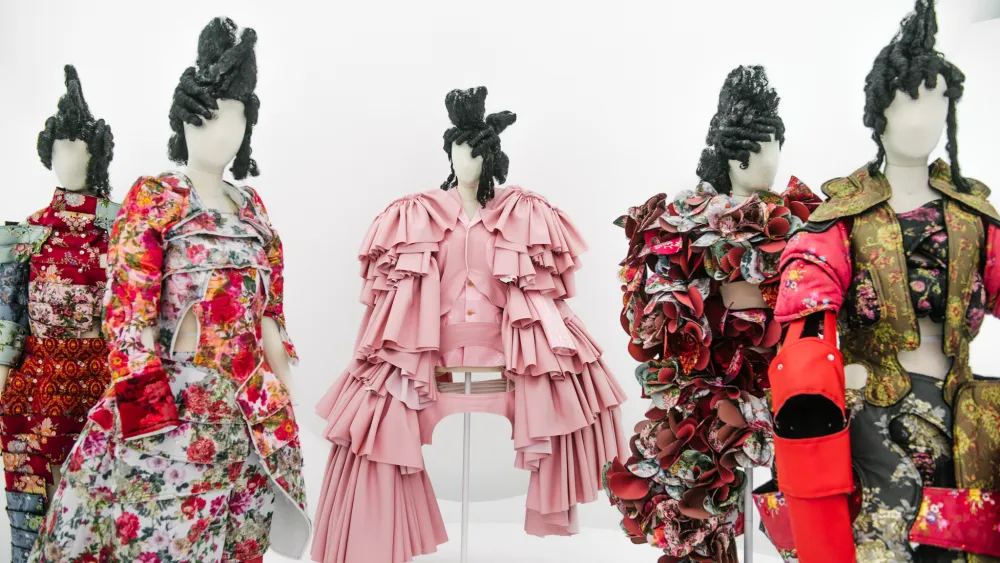
Her shows looked more like installations than collections — sculptural, emotional, wordless.
2017 sealed it:
The Metropolitan Museum of Art dedicated its Met Gala to her.
Theme: “Rei Kawakubo / Art of the In-Between.”
She joined a list so exclusive it barely exists — living designers honored by The Met.
And still, she said almost nothing.
Because her silence was her message.
“The only way to find new ideas is to not look for them.”
⚡ TOKYO NOW — THE AFTERGLOW OF REBELLION
Today, Tokyo fashion carries Rei’s fingerprint everywhere.
From Aoyama’s concept boutiques to Shibuya’s thrift culture, her energy runs deep.
Young designers still echo her questions:
Why fit in?
Why follow?
Why not destroy and rebuild?
The streets remain her runway.
The underground never died — it just went global.
Comme Des Garcons’ influence can be seen in every asymmetric jacket, every inside-out tee, every streetwear drop that dares to look different.
🕶️ REI KAWAKUBO: THE INVISIBLE ICON
No social media.
No celebrity stunts.
No interviews.
Rei Kawakubo stays silent in an industry obsessed with noise.
She lets her creations speak — loudly, quietly, eternally.
She once said:
“Fashion is not about perfection. It’s about feeling something.”
And maybe that’s the secret to Comme Des Garcons’ survival —
It doesn’t chase trends.
It creates worlds.
🔥 LEGACY MODE: STILL UNDERGROUND, STILL UNMATCHED
50 years later, Comme Des Garcons remains untouchable.
It’s not nostalgia. It’s not marketing.
It’s philosophy in motion.
Rei Kawakubo turned rebellion into an art form —
and made the world realize that black isn’t the absence of color;
it’s the presence of meaning.
Comme Des Garcons didn’t just change clothes.
It changed what fashion means.